

"Parents located in north London is looking for an exceptional and experienced instructor to assist their most junior child on his first steps to becoming an British gentleman."
When reading this advertisement, you might naturally skip the term "first-steps" as simple a turn of phrase.
Yet, it might be the crucial element of this unique job advert, as it aims to find a tutor for a 12-month-old.
Numerous of responses have already been sent in since the unidentified family advertised their request for the £180,000 per year tutor, who has to be "an exceptional individual".
During the past few weeks, the listing has gained notice throughout the news, with several wondering why?
Progressive Approach
A tutoring expert, chief executive of an education consultancy, which is helping the family in their hunt, said that in spite of first scepticism, he found the concept "visionary", and "progressive".
When he consulted the family, he mentioned they understood the atypical nature of their requirement, and how young their son is.
But, they explained that they "were unwilling to delay any longer" to get a tutor, as they had held off until their elder sibling was five, and by that point "cultural conditioning had already set in".
But what does the family indicate by "cultural leaning"?
It's "all-encompassing", the expert responded. "How you eat, how you speak".
He said the older sibling had absorbed "extremely delicate, body language" from the family, and had adopted their cultural norms. The family explained to him they wished to avoid the same situation to repeat itself with their new baby.
The plan: To hire a British tutor, who should speak with standard English accent, to guide the baby from the very start.
Natural Absorption
"Much of the education at the outset here is rather acquired indirectly," stated the expert.
It's by means of this subtle influence that the family are expecting the child will pick up the British traits they want to cultivate.
Adam noted the tutor had to be an individual who studied at "prestigious academies – the same kinds of schools as the family hope to send their son to".
"The educator just has to be the right kind of person, they'll be carrying out things they aren't even aware they're doing, simply by nature," he commented.
Money No Object
The family told the expert the selected educator should ideally also have familiarity of or interest in equestrian activities, alpine skiing, creative fields and music so as to shape the child in a wide range of hobbies.
More than that though, he stated the family wanted the tutor to sign up the child on a variety of classes so the child would be "equestrian training and picking up an tool by the time they are about three years old".
In the family's minds, assisting their son develop into a "English gentleman" will result in achievement and open doors.
"For all the pros and cons of that, because it's definitely a class statement," he comments.
Yet, notwithstanding all this guidance in "UK identity", could the child adopt what is termed cultural bias from the globally influenced family he is raised by in any case?
"Yes", replied the CEO. "The parents understand this might not succeed, but they've just taken the attitude of, 'let's give it a go and we should start as quickly as we can', because the expense of it is irrelevant," he explained.
Overly Optimistic
A number of in the education sector who express those concerns.
Another CEO, CEO and founder of a tutoring service, who also offer personal educators, stated that "the process of embracing two identities, or indeed, becoming oneself, is something that must be experienced personally, not manufactured."
The expert wrote that he had moved from the Far East to the United Kingdom at the time of childhood, and had been educated understanding and embodying both cultures. He continued to learn at a prestigious UK institution.
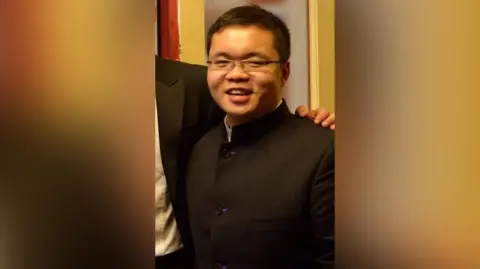
"The notion that one individual can serve as a living vessel of UK identity, an individual who can possibly transfer the qualities of a UK sophisticate onto a one-year-old child, strikes me as optimistic and impractical," he commented.
"Based on my background, having a distinctly British tutor from early childhood will will not automatically create the outcome they hope for.
"I wasn't provided with that kind of mentor, and yet I have been privileged enough to enjoy numerous of the opportunities they desire for their son."
He stated: "The fact is, cultural identity can not be dictated from the outside influences; it must be chosen, and it must originate internally."
Purchasing UK Culture
Of course, UK identity is something the CEO thinks can be taught – and marketed.
"I think the reality that the global community views us in this respect is something that we should be cherishing|valuing|appreciating


